Do I Need Flood Insurance? Understanding Your Need for Protection
Do I need flood insurance? The answer largely depends on your location and risk factors, but considering that flooding is the most common and costly natural disaster in the U.S., flood insurance is a critical consideration for many homeowners, not just those in high-risk areas. Flash rains, ice melts, and other factors can cause unexpected flooding, highlighting the importance of assessing your need for flood insurance.
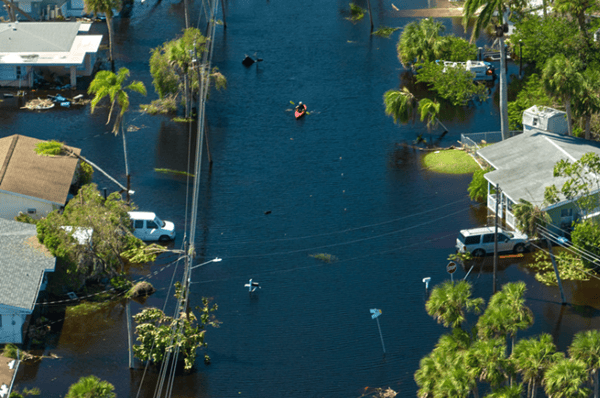
Flooding is the most common and costly natural disaster in the U.S., posing a significant risk not only to homeowners living in flood-prone areas but also to those outside designated flood zones. Incidents such as flash rains and ice melts can lead to flooding when the ground cannot absorb water quickly enough, making flood insurance a crucial consideration for many. Even a modest amount of floodwater can lead to substantial damage. For instance, the Federal Emergency Management Agency (FEMA) has reported that just four inches of water in a 2,500-square-foot home can result in damages amounting to approximately $38,552! In Sarasota, FL, the risk of flooding is high due to its coastal location and frequent storms. Sarasota experiences heavy rainfall, especially during the hurricane season, which can lead to significant flooding.
For uninsured flood victims, the path to recovery may involve low-interest loans or government grants; however, these are contingent upon the disaster area being officially recognized and funds are often limited, covering only a fraction of the costs to rebuild or replace your home.
Standard homeowners and renters insurance policies do not cover flood damage, necessitating a separate flood insurance policy to mitigate potential out-of-pocket expenses. This emphasizes the importance of considering flood insurance for residents in Sarasota FL, regardless of your designated flood zone.
Understanding Flood Insurance Coverage
The National Flood Insurance Program (NFIP), managed by FEMA, offers assistance in assessing your flood risk through nationwide flood mapping, determining areas of varying risk levels. Zones A and V are at the highest risk and usually require flood insurance, while Zones B, C, and X are considered to have moderate to low risk. However, it’s crucial to note that a significant portion of insurance claims come from homes in lower-risk zones.
If your property is situated within a flood zone, obtaining flood insurance may be a requirement from your mortgage lender, ensuring that the coverage amount at least matches your mortgage value and adheres to specific legal standards.
NFIP Policies and Coverage Options
NFIP policies include a 30-day waiting period before activation and are available exclusively to residents of NFIP-participating communities. The maximum coverage under NFIP for residential structures is capped at $250,000, with personal property coverage up to $100,000, based on actual cash value rather than replacement cost. It’s important to note that NFIP does not cover basements, swimming pool damage, or living expenses during home repairs.
For enhanced protection, particularly for high-value and waterfront properties, excess flood insurance policies are available to supplement NFIP coverage, offering broader coverage options and addressing the limitations of NFIP policies.
Private Flood Insurance Alternatives
With advancements in data analytics and artificial intelligence, private flood insurance has become a more accessible alternative, providing benefits such as higher coverage limits and additional living expense reimbursements. These policies are regulated at the state level, offering an additional layer of security in case of insurer bankruptcy.
FEMA’s Risk Rating 2.0
The introduction of FEMA’s Risk Rating 2.0 represents a significant overhaul of the flood insurance pricing system, utilizing dynamic data to offer a more accurate assessment of flood risk based on a variety of factors including flood type, severity, and potential rebuilding costs.
Minimizing Flood Insurance Costs
To manage your flood insurance premiums effectively, consider whether your community participates in FEMA’s Community Rating System, the potential savings from elevating your home, and the benefits of floodproofing measures. These steps can significantly reduce your flood insurance costs while enhancing your home’s resilience to flooding.
In summary, flood insurance is a vital consideration for homeowners in Sarasota, FL, providing essential protection against the most common and costly natural disaster in the U.S. By assessing your risk, understanding the available coverage options, and taking proactive measures to mitigate potential costs, you can ensure that you are adequately prepared for any eventuality.

